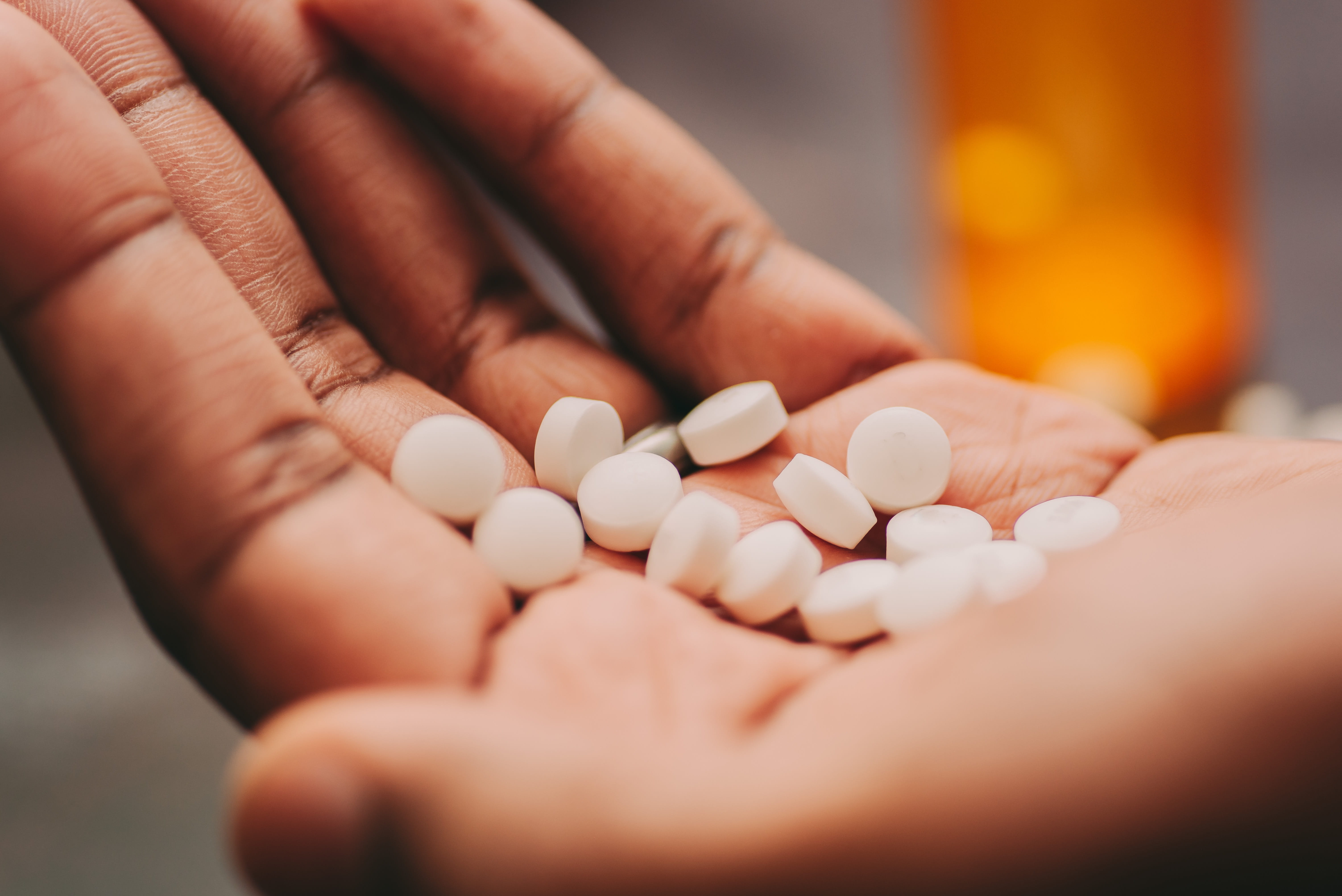
10 Places To Find Buy Otc Drugs France
A Complete Guide to Buying Over-the-Counter Drugs in France
France boasts a distinct health care system that sets it apart from numerous other countries, and this extends to how people and visitors purchase over the counter medications. Understanding the French method to OTC drugs can conserve you time, cash, and frustration throughout your stay in this stunning country. Whether you are a traveler preparing a quick see, an expat developing house, or a company traveler seeking temporary accommodation, understanding how to browse France's drug store landscape will ensure you can attend to common health concerns effectively and safely.
Comprehending France's Pharmacy Culture
Unlike the United States or the United Kingdom, where grocery stores and corner store frequently stock medications, France preserves a strictly regulated system where all medications, consisting of those readily available without a prescription, should be offered through licensed pharmacies. This distinction is fundamental to understanding how to buy OTC drugs in France. Medic France brightened outdoors establishments is not merely decorative— it signifies that you have actually found a legitimate pharmacy licensed to dispense both prescription and non-prescription medications.
French pharmacists play a more prominent function in healthcare than their equivalents in lots of other countries. They are qualified healthcare experts empowered to evaluate your symptoms, suggest appropriate medications, and even offer specific treatments without needing a physician's check out. This obligation implies that when you go into a French drug store looking for remedy for a typical ailment, you can expect knowledgeable assistance and individualized recommendations based upon your specific scenario.
The French federal government preserves rigorous oversight over which medications are offered nonprescription versus those requiring a prescription. This category system varies from other countries, implying that some medications easily available in American or British pharmacies might need a prescription in France, while others that are limited in other places can be purchased freely. Acquainting yourself with these differences before you require medication will assist you approach the scenario with reasonable expectations.
Where to Find Pharmacies and What to Expect
Pharmacies in France are tactically distributed throughout cities, towns, and towns to guarantee sensible access for all citizens and visitors. You will discover them clustered near health centers and medical centers, scattered throughout business districts, and positioned in domestic areas. Every French town with more than a couple of thousand locals normally hosts several drug stores, and major cities like Paris, Lyon, and Marseille function hundreds of establishments spread across their different arrondissements and quarters.
The operating hours of French pharmacies follow a managed schedule developed to ensure continuous access to medications while allowing pharmacists affordable rest. Throughout routine organization hours, usually from Monday through Saturday, most pharmacies operate from around 8:30 or 9:00 in the early morning till 7:30 or 8:00 in the night. Nevertheless, outside these hours, a rotating duty system ensures that at least one pharmacy in each location stays available to deal with emergencies. These duty drug stores, designated by a distinct green cross that stays illuminated throughout the night, can be determined through local listings, paper announcements, or by calling emergency services numbers.
When you get in a French pharmacy, you will discover a layout quite different from the self-service model common in other places. Instead of browsing aisles individually, you will typically approach a counter where a pharmacist or pharmacy assistant will welcome you. This individual interaction serves an important function: it ensures that any medication you buy is proper for your condition and does not conflict with other treatments you may be taking. While this system requires a quick discussion, it offers a valuable chance to receive professional suggestions customized to your private circumstances.
Common Over-the-Counter Medications Available
French drug stores stock a thorough variety of medications to resolve daily health concerns. The following table sums up typical categories and common examples you will experience when seeking OTC treatment in France.
Medication Category
French Brand Examples
Common Uses
Pain Relief
Doliprane, Efferalgan, Spasfon
Headaches, fever, muscle pain, menstrual cramps
Digestive Health
Smecta, Gaviscon, Maalox
Heartburn, diarrhea, bloating, indigestion
Cold and Flu
Humex, Dolirhume, Vicks
Blockage, sore throat, cough, sneezing
Allergic reactions
Zyrtec, Clarityne, Humex
Hay fever, itchy eyes, skin reactions
Topical Treatments
Bepanthen, Cicaplast, Baume du Tigre
Minor burns, skin irritations, muscle pains
Doliprane, containing the active component paracetamol (referred to as acetaminophen in North America), is worthy of special mention as perhaps the most regularly bought medication in France. Readily available in different formulas including tablets, capsules, effervescent powders, and suppositories, Doliprane functions as the first-line treatment for pain and fever throughout the French population. Pharmacies also use generic paracetamol choices, which include the very same active ingredient at substantially lower rates.
For digestive problems, French drug stores provide a number of efficient options. Smecta, a natural clay-based preparation, works efficiently against diarrhea while being gentle enough for most users. When heartburn or heartburn interrupts your day, Gaviscon supplies fast-acting relief by forming a protective barrier in the stomach. These medications, while unknown to visitors from some countries, have actually developed strong credibilities for efficacy through years of use throughout Europe.
Interaction and Language Considerations
Browsing a French pharmacy requires effective communication, particularly if you speak minimal French. However, pharmacists and their assistants typically have at least fundamental English abilities, specifically in areas with significant tourism or international business existence. When English communication shows difficult, numerous strategies can bridge the gap and guarantee you receive proper medication.
Learning a couple of essential French phrases can significantly improve your drug store experience. When explaining your signs, basic expressions like “j' ai mal à la tête” (I have a headache), “j' ai la fièvre” (I have a fever), or “j' ai mal au ventre” (I have a stomach pains) communicate important details. Pharmacists value when visitors make this effort, and the interaction becomes more effective and pleasant for both parties. A lot of pharmacists will respond with clear, simple instructions that, even with minimal French understanding, interact important details about dosage and duration of treatment.
For those with minimal French proficiency, pharmacy apps and translation tools can prove invaluable. Numerous pharmacists are accustomed to customers who use phone translation applications to interact symptoms and understand recommendations. Furthermore, some pharmacies in major traveler areas keep multilingual staff or printed materials in English, German, Spanish, and other commonly spoken languages.
Recognition Requirements and Documentation
While French pharmacies do not require prescriptions for OTC medications, certain situations might require recognition or documentation. Visitors from non-European Union countries need to bring their passport or nationwide recognition card when buying medications, particularly those including codeine or other regulated compounds that, while offered without prescription, stay based on enhanced tracking. This identification helps pharmacists abide by regulations created to avoid abuse while guaranteeing genuine access for real health needs.
If you take regular prescription medications and are going to France, carrying your prescription or a letter from your physician proves valuable when going over prospective interactions or seeking equivalents for medications not available in France. French pharmacists can often recommend suitable options when they comprehend your complete medication image, and documents facilitates this process.
Practical Tips for a Smooth Experience
When planning your medication purchases in France, timing matters substantially. While pharmacies typically keep constant stock, checking out early in the day provides the largest choice of products and makes sure sufficient staffing to resolve your concerns thoroughly. Sunday and vacation shopping may require looking for duty drug stores, which often maintain more minimal stock while supplying essential emergency situation medications.
Rate awareness helps you make notified decisions. Generic medications generally cost half or less compared to brand-name options, yet include similar active components at equivalent strength. When cost matters, do not be reluctant to ask the pharmacist about generic alternatives. They will appreciate your frugality while ensuring you get an efficient treatment for your condition.
Building a relationship with a particular pharmacy proves useful for those investing extended time in France. Regular consumers receive more individualized service, and pharmacists can keep records of medications you have actually purchased, improving their capability to advise on future treatments and recognize possible interactions.
Frequently Asked Questions About Buying OTC Drugs in France
Can I acquire antibiotics over the counter in France?
No, antibiotics in France require a valid prescription from a doctor. This guideline exists to prevent antibiotic resistance and guarantee suitable usage. If you think you require prescription antibiotics, you should speak with a French physician who can examine your condition and supply a prescription if clinically essential.
Are rates for medications controlled in France?
Yes, the French government controls prices for both prescription and non-prescription medications. This regulation means you will pay constant prices for particular medications despite which drug store you check out. Nevertheless, prices do vary between different medications, with fundamental generic paracetamol costing considerably less than branded options.
What should I do if I can not discover a medication I use in my home nation?
French pharmacists possess substantial knowledge of medication options and can advise French equivalents for many foreign medications. Explain the active components and intended usage of your familiar medication, and the pharmacist will generally recommend a suitable alternative readily available in your area.
Can I return medications to a French drug store?
Normally, drug stores can decline returned medications due to safety and regulatory issues. However, if a medication shows unsuitable for your needs, speaking with the pharmacist may lead to a professional consultation to recognize a better suited option for future purchase.
Do French pharmacies accept foreign health insurance coverage for OTC purchases?
No, OTC medications are not reimbursable through the French social security system for visitors, and personal foreign insurance coverage normally does not cover voluntary purchases at pharmacies. You need to pay the complete rate at the time of purchase for any medications you get without a prescription.
Purchasing over-the-counter drugs in France requires comprehending a health care system that focuses on expert assistance over self-service benefit. While this method might at first seem unknown to visitors from nations with more unwinded medication circulation, it eventually provides important security and expert recommendations for every purchase. By finding drug stores through their distinct green crosses, engaging respectfully with drug store personnel, and interacting signs clearly, you can obtain effective treatment for typical health issues throughout your time in France. The system might differ from what you know at home, however it operates with efficiency and expertise that serves the French population— and can serve you equally well throughout your stay in this exceptional country.